Yep, we may get a tiny thank-you (read: commission) when you buy through
links on Soundfindr — not enough for a yacht, but enough to keep the lights (and
servers) on.
Learn more
Ooops...!
You've got an alert.
10
Alternatives
0
Likes
The 10 Alternatives to Shure SM7B
:
Studio-Grade Dynamic Microphones for Professional Recording — 2026
Compare dynamic Shure SM7B alternatives using signal output, gain needs, polar patterns, and built in features.
Explore Your Options
Alternative products worth considering.
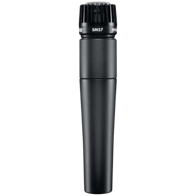
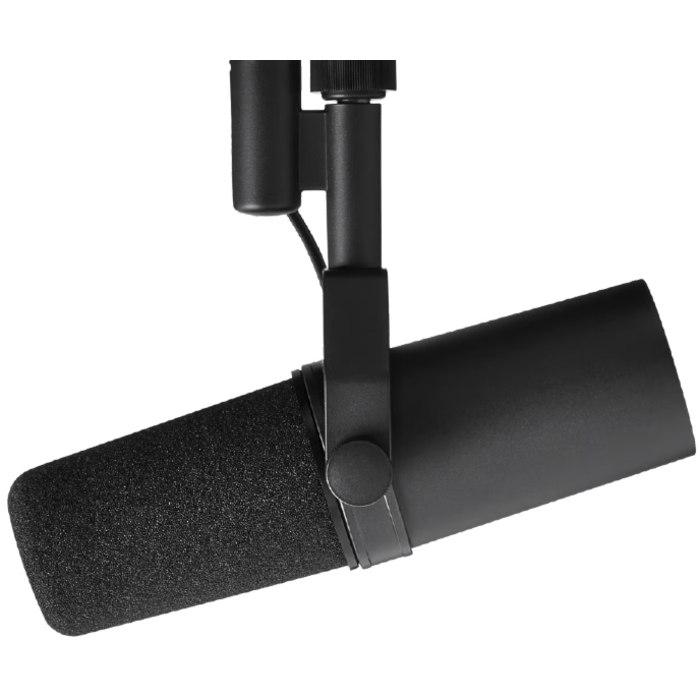
The Shure SM7B has become a reference point in the microphone category, widely used for podcasting, broadcasting, and vocal recording due to its consistent sound and strong off-axis noise rejection. However, its low signal output, which often requires external gain boosting devices or preamps, along with a typical price around $399, leads many users to explore alternatives that better match their setup, budget, or workflow.
When evaluating an alternative to the Shure SM7B, the comparison often comes down to measurable factors such as signal output levels, connectivity options like XLR versus USB, and built-in features such as integrated preamps or pop filters. For example, some microphones offer up to 30 dB of internal gain via phantom-powered boosters, while others eliminate the need for external interfaces entirely through USB connectivity. These differences directly impact usability, especially for home studios, streaming setups, or portable recording environments.
There are also practical considerations beyond raw specifications. Many users look for more compact designs, improved mounting flexibility, or microphones that handle spoken voice clearly without requiring precise positioning. Others prioritize features like polar pattern control, internal shock mounts, or tailored frequency responses that enhance vocal clarity without excessive post-processing. These criteria reflect real-world usage patterns, where ease of setup and consistent output can matter as much as tonal character.
This guide approaches alternatives analytically, focusing on how different microphones compare in terms of performance, feature sets, and value across various price tiers. Rather than replacing the SM7B outright, the goal is to help you understand which options align best with your recording needs, whether that involves higher output levels, simplified connectivity, or specific vocal characteristics.
Alternative Options
Other products worth your attention.
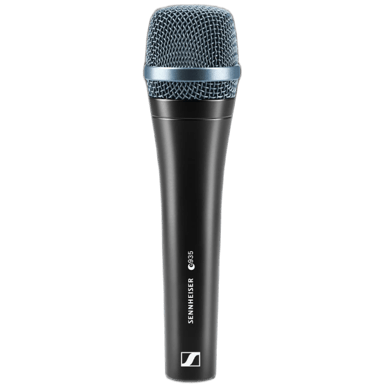
The Sennheiser E935 is a relevant alternative to the Shure SM7B, sharing many core features that suit professional studio, broadcast, and live applications. While the SM7B is well-known for studio versatility and passive operation, the E935 offers similar dynamic, cardioid performance with robust construction and usability in live and studio environments.
Both microphones are dynamic type with cardioid polar patterns, making them excellent for focused vocal capture and rejection of off-axis noise.
They share intended uses including studio recording, live performance, podcasting, broadcasting, and streaming.
Both support professional XLR connectivity and are designed for balanced analog audio output.
The Sennheiser E935 includes a transformer-based design, contrasting with the SM7B's transformerless approach, which affects tonal characteristics but does not hinder practical replacement.
Overall, the E935 serves as a strong functional substitute for the SM7B in many professional audio setups.
Nerdy Bits & Must-Knows
Specs worth knowing…
Sennheiser E935
Product Type
What is the product type?
36
Sennheiser E935
0
Votes
Dynamic
62
Microphones in this range
Condenser
Sennheiser E935
A dynamic microphone typically offers excellent sound for vocals and instruments, particularly for live sound.
Defines the basic category of the microphone.
When it comes to Product Type,
Sennheiser E935 ◉ is
worse than
Microphone in this range ◉
, delivering
equal
26 score
measurement.
Don’t keep it to yourself — be the first to react and review the
Product Type on Sennheiser E935
◉ and help others decide!
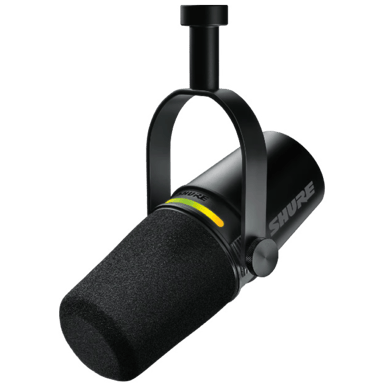
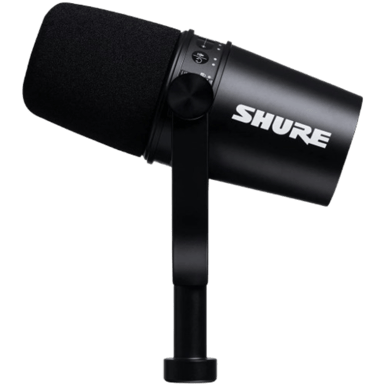
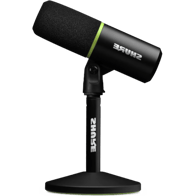
The Shure MV7+ serves as a strong alternative to the Shure SM7B, offering similar core features tailored for studio, podcast, broadcast, and streaming uses. It combines traditional dynamic microphone qualities with modern connectivity options, making it a practical replacement for various professional recording environments.
Both are dynamic microphones with large diaphragm capsules, ensuring comparable sound capture quality.
They share a cardioid polar pattern optimized for focused sound pickup and off-axis noise reduction.
Both models provide XLR and USB connectivity, allowing flexible integration with professional and digital setups.
Intended uses overlap significantly, including studio recording, podcasting, broadcast, and live streaming applications.
Nerdy Bits & Must-Knows
Specs worth knowing…
Shure MV7+
Product Type
What is the product type?
40
Shure MV7+
0
Votes
Dynamic
48
Microphones in this range
Condenser
Defines the basic category of the microphone.
When it comes to Product Type,
Shure MV7+ ◉ is
worse than
Microphone in this range ◉
, delivering
equal
8 score
measurement.
Don’t keep it to yourself — be the first to react and review the
Product Type on Shure MV7+
◉ and help others decide!
Shure MV7+
Polar Pattern Type
What is the polar pattern type?
70
Shure MV7+
0
Votes
Cardioid
48
Microphones in this range
Cardioid
Identifies the default pickup pattern.
When it comes to Polar Pattern Type,
Shure MV7+ ◉ is
better than
Microphone in this range ◉
, delivering
higher
22 score
measurement.
Don’t keep it to yourself — be the first to react and review the
Polar Pattern Type on Shure MV7+
◉ and help others decide!
Shure MV7+
Connectivity Type
What is the connectivity type?
70
Shure MV7+
0
Votes
USB, XLR
44
Microphones in this range
Wired, XLR
Defines how the microphone connects to devices.
When it comes to Connectivity Type,
Shure MV7+ ◉ is
better than
Microphone in this range ◉
, delivering
higher
26 score
measurement.
Don’t keep it to yourself — be the first to react and review the
Connectivity Type on Shure MV7+
◉ and help others decide!
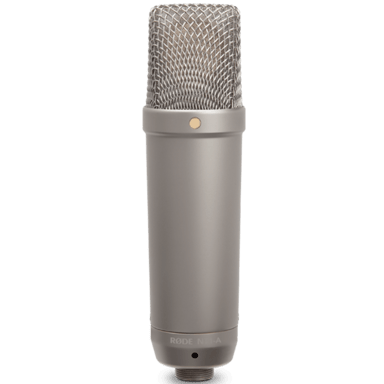
The Rode NT1-A serves as a relevant alternative to the Shure SM7B for many studio and broadcast applications, though there are key differences in microphone type and power requirements that may affect certain use cases.
Both microphones target professional users for studio, live, podcast, broadcast, and streaming applications, making them functionally similar in real-world usage.
They share a cardioid polar pattern, ensuring comparable directionality and isolation from off-axis sounds.
Each uses a large diaphragm capsule, supporting high-quality vocal and instrument capture.
Both connect via XLR and are compatible with similar audio setups including PCs, mixers, and cameras.
While the NT1-A is a condenser microphone requiring phantom power, the SM7B is a dynamic microphone and operates passively, which influences their optimal usage scenarios. Nonetheless, the NT1-A can practically replace the SM7B in many professional recording environments.
Nerdy Bits & Must-Knows
Specs worth knowing…
Rode NT1-A
Product Type
What is the product type?
66
Rode NT1-A
0
Votes
Condenser
62
Microphones in this range
Condenser
Rode NT1-A
A condenser microphone is ideal for capturing detailed, high-quality audio,making it perfect for studio use.
Defines the basic category of the microphone.
When it comes to Product Type,
Rode NT1-A ◉ is
better than
Microphone in this range ◉
, delivering
higher
4 score
measurement.
Don’t keep it to yourself — be the first to react and review the
Product Type on Rode NT1-A
◉ and help others decide!
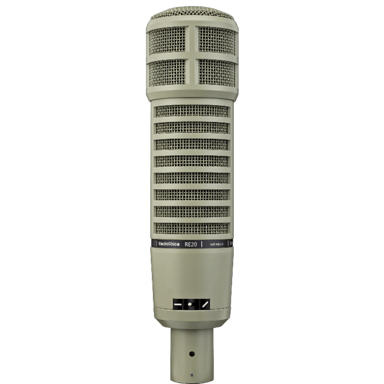
The Electro Voice RE20 is a highly relevant alternative to the Shure SM7B, offering very similar core functionality and professional applications. Both microphones are dynamic, large-diaphragm cardioid types widely used in studio, podcasting, broadcasting, and live settings, making the RE20 a practical replacement for the SM7B.
Both microphones are dynamic with large diaphragm capsules, ensuring comparable sound capture characteristics.
They share a cardioid polar pattern ideal for isolating the sound source and reducing background noise.
Both are designed for professional uses such as studio recording, podcasting, broadcasting, and streaming.
The RE20 and SM7B both utilize XLR connectivity and operate as balanced analog devices, making them compatible with similar audio setups.
Overall, the RE20 provides a strong and realistic alternative to the SM7B for users seeking a high-quality dynamic microphone in professional audio environments.
Nerdy Bits & Must-Knows
Specs worth knowing…
Electro Voice RE20
Product Type
What is the product type?
57
Electro Voice RE20
0
Votes
Dynamic
41
Microphones in this range
Condenser
Electro Voice RE20
Dynamic microphones like the RE20 are durable and excellent for capturing voice and instruments with clarity, especially in high-pressure environments like live broadcasts or studio recordings.
Defines the basic category of the microphone.
When it comes to Product Type,
Electro Voice RE20 ◉ is
better than
Microphone in this range ◉
, delivering
higher
16 score
measurement.
Don’t keep it to yourself — be the first to react and review the
Product Type on Electro Voice RE20
◉ and help others decide!
Electro Voice RE20
Polar Pattern Type
What is the polar pattern type?
57
Electro Voice RE20
0
Votes
Cardioid
40
Microphones in this range
Cardioid
Identifies the default pickup pattern.
When it comes to Polar Pattern Type,
Electro Voice RE20 ◉ is
better than
Microphone in this range ◉
, delivering
higher
17 score
measurement.
Don’t keep it to yourself — be the first to react and review the
Polar Pattern Type on Electro Voice RE20
◉ and help others decide!
Electro Voice RE20
Microphone Type
What is the microphone type?
77
Electro Voice RE20
0
Votes
Dynamic
40
Microphones in this range
Condenser
Defines the operating principle of the microphone.
When it comes to Microphone Type,
Electro Voice RE20 ◉ is
better than
Microphone in this range ◉
, delivering
higher
37 score
measurement.
Don’t keep it to yourself — be the first to react and review the
Microphone Type on Electro Voice RE20
◉ and help others decide!
The Shure MV7 has been discontinued️.
Our community last shared an update on
October 22, 2025.
Why Consider This
What makes it stand out.
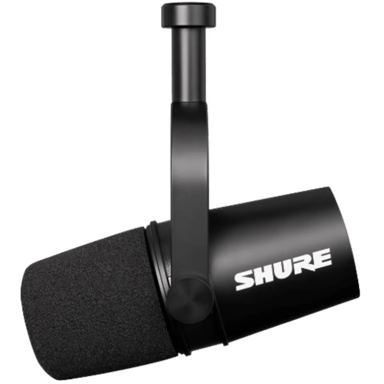
The Shure MV7 is a relevant alternative to the Shure SM7B for podcasting, broadcasting, and streaming uses, offering many similar features while adding USB connectivity and some modern enhancements. However, it differs slightly in form factor and transient response characteristics.
Both microphones are dynamic and use a cardioid polar pattern suitable for focused sound capture.
They share dual connectivity options with XLR and USB interfaces, supporting versatile setups.
The MV7 supports similar intended uses including podcasting, broadcast, and streaming with professional-level design.
The MV7 includes a touch panel onboard control, offering additional ease of use not present on the SM7B.
Overall, the MV7 can practically replace the SM7B especially for desktop environments with USB needs, though it may not fully replicate the SM7B's studio-grade audio characteristics.
Nerdy Bits & Must-Knows
Specs worth knowing…
Shure MV7
Product Type
What is the product type?
39
Shure MV7
0
Votes
Dynamic
52
Microphones in this range
Condenser
Shure MV7
Dynamic microphones are ideal for high-intensity sound environments. They are durable and provide excellent performance for live applications.
Defines the basic category of the microphone.
When it comes to Product Type,
Shure MV7 ◉ is
worse than
Microphone in this range ◉
, delivering
equal
13 score
measurement.
Don’t keep it to yourself — be the first to react and review the
Product Type on Shure MV7
◉ and help others decide!
Shure MV7
Polar Pattern Type
What is the polar pattern type?
69
Shure MV7
0
Votes
Cardioid
62
Microphones in this range
Cardioid
Shure MV7
The cardioid pattern is excellent for isolating the speaker's voice, making it ideal for podcasting, interviews, and recording in noisy environments.
Identifies the default pickup pattern.
When it comes to Polar Pattern Type,
Shure MV7 ◉ is
better than
Microphone in this range ◉
, delivering
higher
7 score
measurement.
Don’t keep it to yourself — be the first to react and review the
Polar Pattern Type on Shure MV7
◉ and help others decide!
Shure MV7
Connectivity Type
What is the connectivity type?
69
Shure MV7
0
Votes
USB, XLR
48
Microphones in this range
Wired, XLR
Shure MV7
USB and XLR offer both digital and analog connection options, providing flexibility for different recording needs. USB is perfect for easy plug-and-play setups, while XLR is used in more professional environments.
Defines how the microphone connects to devices.
When it comes to Connectivity Type,
Shure MV7 ◉ is
better than
Microphone in this range ◉
, delivering
higher
21 score
measurement.
Don’t keep it to yourself — be the first to react and review the
Connectivity Type on Shure MV7
◉ and help others decide!
The Shure MV7X is a relevant and practical alternative to the Shure SM7B for many users, especially those focused on podcasting, broadcasting, and studio applications. While it represents a more recent and slightly different design approach, it shares core functional features that make it a suitable replacement in similar usage scenarios.
Both microphones are dynamic and designed primarily for professional studio and broadcast use, ensuring quality performance in voice recording.
They share a cardioid polar pattern, which provides focused sound capture and good off-axis noise rejection.
Connectivity relies on an XLR interface, offering compatibility with professional mixing consoles and audio interfaces.
Both use a passive power source and a transformerless design, which contributes to reliable and clear signal output.
While the MV7X is positioned as slightly more accessible with a desktop form factor and inclusion in the MOTIV series, it can effectively replace the SM7B for applications such as podcasting, streaming, and broadcasting.
Nerdy Bits & Must-Knows
Specs worth knowing…
Shure MV7X
Product Type
What is the product type?
39
Shure MV7X
0
Votes
Dynamic
62
Microphones in this range
Condenser
Defines the basic category of the microphone.
When it comes to Product Type,
Shure MV7X ◉ is
worse than
Microphone in this range ◉
, delivering
equal
23 score
measurement.
Don’t keep it to yourself — be the first to react and review the
Product Type on Shure MV7X
◉ and help others decide!
Shure MV7X
Polar Pattern Type
What is the polar pattern type?
59
Shure MV7X
0
Votes
Cardioid
58
Microphones in this range
Cardioid
Identifies the default pickup pattern.
When it comes to Polar Pattern Type,
Shure MV7X ◉ is
better than
Microphone in this range ◉
, delivering
higher
1 score
measurement.
Don’t keep it to yourself — be the first to react and review the
Polar Pattern Type on Shure MV7X
◉ and help others decide!
Shure MV7X
Connectivity Type
What is the connectivity type?
39
Shure MV7X
0
Votes
Wired, XLR
49
Microphones in this range
Wired, XLR
Defines how the microphone connects to devices.
When it comes to Connectivity Type,
Shure MV7X ◉ is
worse than
Microphone in this range ◉
, delivering
equal
10 score
measurement.
Don’t keep it to yourself — be the first to react and review the
Connectivity Type on Shure MV7X
◉ and help others decide!
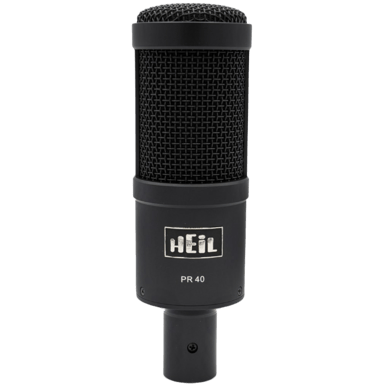
The Heil Sound PR40 shares many core features with the Shure SM7B, making it a strong alternative for professional dynamic microphone use in studio, podcasting, and broadcast settings.
Both microphones are dynamic type with large diaphragm capsules, ideal for capturing rich, detailed vocal and instrument recordings.
Each features a unidirectional cardioid polar pattern suitable for isolating sound sources and minimizing ambient noise.
They use similar connectivity via XLR and are designed for balanced analog output, ensuring compatibility with professional audio equipment.
Both microphones originate from the United States and are built with robust metal housings and matte finishes, favoring durability and professional aesthetics.
Nerdy Bits & Must-Knows
Specs worth knowing…
Heil Sound PR40
Product Type
What is the product type?
65
Heil Sound PR40
0
Votes
Dynamic
40
Microphones in this range
Condenser
Defines the basic category of the microphone.
When it comes to Product Type,
Heil Sound PR40 ◉ is
better than
Microphone in this range ◉
, delivering
higher
25 score
measurement.
Don’t keep it to yourself — be the first to react and review the
Product Type on Heil Sound PR40
◉ and help others decide!
Heil Sound PR40
Polar Pattern Type
What is the polar pattern type?
65
Heil Sound PR40
0
Votes
Cardioid
39
Microphones in this range
Cardioid
Identifies the default pickup pattern.
When it comes to Polar Pattern Type,
Heil Sound PR40 ◉ is
better than
Microphone in this range ◉
, delivering
higher
26 score
measurement.
Don’t keep it to yourself — be the first to react and review the
Polar Pattern Type on Heil Sound PR40
◉ and help others decide!
Heil Sound PR40
Connection Interface
What is the connection interface?
35
Heil Sound PR40
0
Votes
XLR
35
Microphones in this range
XLR
Defines the main interface for connectivity.
When it comes to Connection Interface,
Heil Sound PR40 ◉ is
same as
Microphone in this range ◉
.
Don’t keep it to yourself — be the first to react and review the
Connection Interface on Heil Sound PR40
◉ and help others decide!
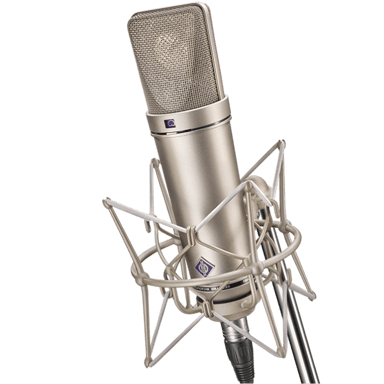
The Neumann U 87 Ai is a very strong alternative to the Shure SM7B for professional studio recording use. While the SM7B is a dynamic microphone optimized for broadcast, podcasting, and streaming, the U 87 Ai is a studio-grade condenser microphone widely recognized for its versatility and high-quality sound capture, especially in studio environments.
Both microphones have a cardioid polar pattern option and deliver unidirectional sound pickup, making them suitable for focused vocal recording.
They share the same large diaphragm capsule design, providing rich and detailed audio capture.
Both use an XLR connection interface and are targeted at professional users, supporting use in high-level studio setups.
Each has metallic bodies with matte finishes and comparable mounting thread sizes, ensuring compatibility with professional mounts and stands.
Given these similarities and the Neumann U 87 Ai's widely regarded superior studio sound quality, it can serve as a practical and premium replacement for the Shure SM7B in studio environments, though it operates on phantom power rather than being purely passive.
Nerdy Bits & Must-Knows
Specs worth knowing…
Neumann U 87 Ai
Product Type
What is the product type?
63
Neumann U 87 Ai
0
Votes
Condenser
3
Microphones in this range
Condenser
Defines the basic category of the microphone.
When it comes to Product Type,
Neumann U 87 Ai ◉ is
better than
Microphone in this range ◉
, delivering
higher
60 score
measurement.
Don’t keep it to yourself — be the first to react and review the
Product Type on Neumann U 87 Ai
◉ and help others decide!
Neumann U 87 Ai
Polar Pattern Type
What is the polar pattern type?
58
Neumann U 87 Ai
0
Votes
Cardioid, Omnidirectional
3
Microphones in this range
Cardioid
Neumann U 87 Ai
The U 87 Ai supports three patterns: cardioid, omnidirectional, and figure-8, providing flexibility for various recording environments.
Identifies the default pickup pattern.
When it comes to Polar Pattern Type,
Neumann U 87 Ai ◉ is
better than
Microphone in this range ◉
, delivering
higher
55 score
measurement.
Don’t keep it to yourself — be the first to react and review the
Polar Pattern Type on Neumann U 87 Ai
◉ and help others decide!
Neumann U 87 Ai
Capsule Type
What is the capsule type?
53
Neumann U 87 Ai
0
Votes
Large Diaphragm
3
Microphones in this range
Electret
Specifies the capsule style that influences sound capture.
When it comes to Capsule Type,
Neumann U 87 Ai ◉ is
better than
Microphone in this range ◉
, delivering
higher
50 score
measurement.
Don’t keep it to yourself — be the first to react and review the
Capsule Type on Neumann U 87 Ai
◉ and help others decide!
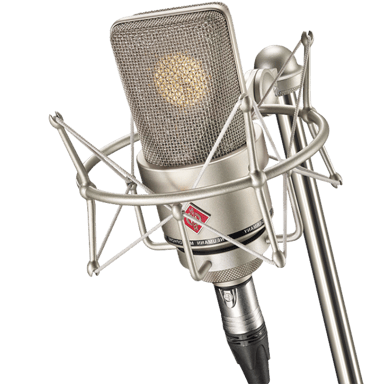
The Neumann TLM 103 is a reputable professional studio microphone that can serve as a strong alternative to the Shure SM7B for many recording and broadcast applications, despite differences in microphone type.
Both microphones target professional users and are suitable for studio and broadcast use, ensuring high-quality audio capture.
They share a cardioid polar pattern, which provides focused sound pickup with good off-axis rejection.
Both use large diaphragm capsules and feature a pressure gradient acoustic principle, supporting detailed voice capture.
Each connects via XLR and uses balanced analog audio output, making them compatible with pro audio equipment setups.
While the TLM 103 is a condenser microphone requiring phantom power, and the SM7B is a dynamic, passive microphone, the TLM 103 can realistically replace the SM7B in many professional recording scenarios with appropriate preamp and environment considerations.
Nerdy Bits & Must-Knows
Specs worth knowing…
Neumann TLM 103
Product Type
What is the product type?
64
Neumann TLM 103
0
Votes
Condenser
7
Microphones in this range
Condenser
Neumann TLM 103
The TLM 103 is a condenser microphone, which is commonly used for its sensitivity and clarity in studio environments. It's ideal for high-quality vocal and instrument recording.
Defines the basic category of the microphone.
When it comes to Product Type,
Neumann TLM 103 ◉ is
better than
Microphone in this range ◉
, delivering
higher
57 score
measurement.
Don’t keep it to yourself — be the first to react and review the
Product Type on Neumann TLM 103
◉ and help others decide!
Neumann TLM 103
Polar Pattern Type
What is the polar pattern type?
64
Neumann TLM 103
0
Votes
Cardioid
7
Microphones in this range
Cardioid
Neumann TLM 103
The cardioid polar pattern captures sound directly in front of the microphone while rejecting noise from the sides and rear. This makes it perfect for focused recording in noisy environments.
Identifies the default pickup pattern.
When it comes to Polar Pattern Type,
Neumann TLM 103 ◉ is
better than
Microphone in this range ◉
, delivering
higher
57 score
measurement.
Don’t keep it to yourself — be the first to react and review the
Polar Pattern Type on Neumann TLM 103
◉ and help others decide!
Neumann TLM 103
Capsule Type
What is the capsule type?
54
Neumann TLM 103
0
Votes
Large Diaphragm
6
Microphones in this range
Electret
Neumann TLM 103
Features a large diaphragm capsule, ideal for capturing rich, full sounds with high clarity.
Specifies the capsule style that influences sound capture.
When it comes to Capsule Type,
Neumann TLM 103 ◉ is
better than
Microphone in this range ◉
, delivering
higher
48 score
measurement.
Don’t keep it to yourself — be the first to react and review the
Capsule Type on Neumann TLM 103
◉ and help others decide!
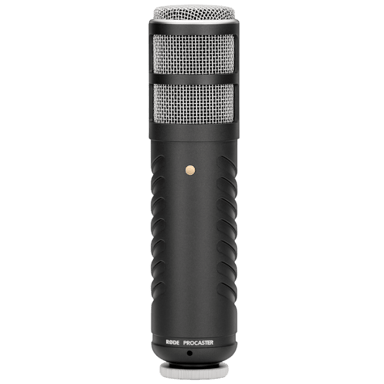
The Rode Procaster is a relevant alternative to the Shure SM7B, especially for users focused on podcasting, broadcasting, and streaming. Both microphones are dynamic and cardioid, making the Procaster a practical replacement in many professional audio setups.
Both are dynamic microphones with large diaphragm capsules suitable for vocal applications.
They share a cardioid polar pattern, which effectively isolates the voice and reduces background noise.
Connectivity for both is via XLR, supporting professional audio interfaces and mixers.
Use cases overlap significantly, with both targeting podcast, broadcast, and streaming environments.
While the SM7B offers broader compatibility and slightly more versatile mounting options, the Rode Procaster covers the core functional needs as a solid, professional-grade microphone alternative.
Nerdy Bits & Must-Knows
Specs worth knowing…
Rode Procaster
Product Type
What is the product type?
35
Rode Procaster
0
Votes
Dynamic
49
Microphones in this range
Condenser
Rode Procaster
This is a dynamic microphone, which captures strong and clear vocals. It is ideal for podcasts, broadcasts, and streaming where background noise needs to be minimized.
Defines the basic category of the microphone.
When it comes to Product Type,
Rode Procaster ◉ is
worse than
Microphone in this range ◉
, delivering
equal
14 score
measurement.
Don’t keep it to yourself — be the first to react and review the
Product Type on Rode Procaster
◉ and help others decide!
Rode Procaster
Polar Pattern Type
What is the polar pattern type?
65
Rode Procaster
0
Votes
Cardioid
54
Microphones in this range
Cardioid
Rode Procaster
The cardioid pattern focuses on sound from the front while rejecting side and rear noise. This ensures clear voice capture with minimal background interference.
Identifies the default pickup pattern.
When it comes to Polar Pattern Type,
Rode Procaster ◉ is
better than
Microphone in this range ◉
, delivering
higher
11 score
measurement.
Don’t keep it to yourself — be the first to react and review the
Polar Pattern Type on Rode Procaster
◉ and help others decide!
Rode Procaster
Connectivity Type
What is the connectivity type?
40
Rode Procaster
0
Votes
Wired, XLR
45
Microphones in this range
Wired, XLR
Rode Procaster
The Procaster uses a wired XLR connection for balanced audio output. This provides reliable, interference-free sound for professional recordings.
Defines how the microphone connects to devices.
When it comes to Connectivity Type,
Rode Procaster ◉ is
worse than
Microphone in this range ◉
, delivering
equal
5 score
measurement.
Don’t keep it to yourself — be the first to react and review the
Connectivity Type on Rode Procaster
◉ and help others decide!
Worth a Second Look
Didn't make the cut this time, but still solid options.
Stuff You Were Too Shy to Ask
But we answered it anyway.
Why do some microphones require higher gain levels?
Some dynamic microphones produce lower output signals, meaning they need more amplification from a preamp or audio interface to reach usable levels. This is often measured in terms of required gain in decibels. If your interface cannot supply enough clean gain, you may notice noise or weak recordings. Solutions include using inline boosters that add around 20 to 30 dB of clean gain or choosing models with built-in amplification. Understanding your setup's gain capability helps ensure consistent vocal clarity without distortion.
How does polar pattern affect recording clarity and noise rejection?
The polar pattern determines how a microphone captures sound from different directions. A cardioid or hypercardioid pattern focuses on sound directly in front while reducing background noise from the sides and rear. This improves clarity in untreated rooms or streaming environments. A tighter pattern typically offers stronger isolation but may require more precise positioning. Choosing the right pattern depends on your recording environment and how much ambient noise you need to control for clean, focused audio capture.
What is the benefit of built-in preamps in microphones?
Microphones with integrated preamps can boost signal levels internally, often adding up to 30 dB of gain without external devices. This reduces the need for additional equipment and simplifies setup, especially for beginners or portable recording. Built-in amplification can also help maintain a cleaner signal path if properly designed. However, performance varies, so it is important to evaluate whether the internal preamp delivers transparent gain without introducing noise or coloration.
How important is frequency response for vocal recording performance?
Frequency response describes how a microphone captures different sound ranges, typically measured in Hertz (Hz). For vocal work, a balanced response across mid frequencies is crucial, as this is where speech clarity resides. Some microphones include subtle boosts in upper mids to enhance intelligibility, while others roll off low frequencies to reduce rumble. Interpreting these curves helps determine whether a microphone will sound natural, bright, or warm, depending on your voice and recording goals.
Can USB microphones match XLR models in sound quality?
USB microphones offer convenience with built-in audio conversion and plug-and-play usability, but they may not always match the flexibility of XLR setups. XLR microphones allow pairing with higher-quality preamps and interfaces, which can improve signal-to-noise ratio and overall fidelity. However, modern USB models can still deliver strong performance for podcasting and streaming. The choice depends on whether you prioritize simplicity or the ability to upgrade and fine-tune your recording chain over time.
What features help reduce plosives and handling noise effectively?
Design elements like internal pop filters, shock mounts, and protective grilles play a key role in minimizing unwanted noise. A built-in pop filter helps reduce plosive sounds caused by airflow, while a shock mount isolates the microphone from vibrations. Some models also include multi-layer filtering systems for added protection. Evaluating these features can improve recording consistency, especially in close-mic setups where breath noise and movement are more noticeable.
How does microphone size and design impact usability in setups?
Physical size and mounting design affect how easily a microphone fits into your recording space. Larger broadcast-style microphones may offer durability and acoustic benefits but can feel bulky in compact setups. Smaller designs improve positioning flexibility and visibility on camera. Weight, mounting compatibility, and integrated hardware like swing mounts or stands all influence day-to-day usability, particularly for streaming or desktop recording environments.
What should you consider when comparing price to performance value?
Price alone does not determine performance, so it is important to compare measurable features such as build quality, included components, and signal output. Some lower-cost models provide strong results by focusing on essential functions, while higher-priced options may include advanced materials or additional tuning controls. When evaluating value, consider how each feature contributes to your workflow and whether it reduces the need for extra equipment, which can impact total system cost.
Big Brain Stuff, Summed Up
Because who reads everything, right?
Choosing an alternative to Shure SM7B ultimately comes down to how different microphones align with measurable factors like signal output, connectivity, and tonal balance. Models with higher native output or built-in gain, sometimes reaching 30 dB boost, can reduce reliance on external preamps, while USB-enabled options simplify setup for streaming and home recording. Differences in polar pattern control, internal shock mounting, and frequency tuning also indicate how well a microphone will perform in untreated spaces or close-mic scenarios. These variables help explain why no single option universally replaces the SM7B, but several can match or exceed it in specific workflows.
Across the alternatives, there is a clear spectrum between convenience, flexibility, and studio-grade control. Some microphones prioritize plug-and-play usability with hybrid connectivity, while others focus on refined analog performance through XLR setups and external processing chains. Build quality, mounting design, and integrated features like pop filtering all contribute to long-term reliability and ease of use. Evaluating these alongside your recording environment and voice characteristics helps ensure a better fit than relying on reputation alone.
In practice, the best choice is the one that balances performance consistency, setup requirements, and total system cost for your specific use case. By comparing verified specifications and real-world usability factors, you can select a microphone that delivers dependable results without unnecessary complexity.